Sunday, 26 February 2012

A light Pumpernickel loaf

Traditionally Pumpernickel bread is a dark, heavy bread made with coarse dark rye and after a long, slow bake at relatively low temperatures the result is a very dark dense loaf. The darkness is created through the maillard effect of the sugars in the molasses along with the chocolate and coffee. This recipe however is a lighter version and exceptionally delicious, but of course it is all according to personal taste. Try this, I promise you won't be disappointed.

You will need:
  • Dried active yeast (2 tbspn) and 1/2 cup warm water & a pinch of sugar
  • 1/2 cup Molasses (available from health food shops)
  • 1/4 cup apple sauce
  • 4 tbspn unsalted buter
  • 1tbspn of treacle
  • Flours: Wholemeal (1/2 cup), Stoneground Rye (2 cups), White (4 cups) If you want a 'heavier' loaf than just reduce the amount of white in exchange for rye.
  • 1 cup of wheatbran (rich in vit B & folic acids)
  • 2 tbspn caraway seeds
  • 1/2 tsp fennel seeds
  • 1 tbsp salt
  • 1 tbspn cocoa powder (you can also use coffee powder)
  • 1 tbspn shallots chopped finely
  • For glaze: 1tbspn cornstarch + 1/2 cup water
tip: whatever ingredient you exchange (ie. cocoa powder instead of coffee powder), just make sure you have the same weight of dry mixture and wet mixture as the recipe states.

Method:
1) Start by preparing your yeast, I used dried active. Stir dry yeast into warm water with pinch of sugar and dissolve. Let stand for 10 mins (until frothy).

2) In a small pan heat 2 cups of water, 1/2 cup of molasses, 1/4 cup of apple sauce, 4 tbsp buter,
1 tbspn treacle & set aside.
 
3) Mix your flours together: 1/2 cup w'meal, 2 cups rye, 4 cups white & set aside.

4) Combine 2 cups of your mixed flour (above) with the bran, seeds, salt,
cocoa powder, shallots.
5) Add your frothy yeast mixture and the warm molasses mixture.

6) Beat for about 3 minutes - until smooth

7) Slowly add the rest of your flour and combine

8) Knead the dough for about 3 minutes on a clean surface. You should be pushing
the dough away from you and shearing the dough with the palm of your hand so
that you work the gluten in the dough. Once the dough feels tighter, roll into a ball. The dough should have a
glossy finish and feel quite firm to touch.

9) Rest your dough for about 1hr in a well greased bowl. By sprinkling flour over the top you will notice the rise as the flour will
crack showing that your loaf has risen.

10) Your dough will be puffed up and risen to double in size. Carefully handle the dough by lifting out
of the bowl and scaling into your chosen tin sizes (I used smallish loaf tins so measured 480g of dough)

11) Shape and mould into your tins. Start with a rectangle shape and then pull over the left and right sides. Then fold over the top (see pic above) and roll neatly and fairly tightly into a roll shape for your tins.

12) Carefully place your rolled dough into your well greased loaf tins and leave to prove
for about 45 minutes.

13) Once risen you can glaze with your cornstarch mixture. Just bring 1 tbspn of cornstarch and 1/2 cup of water to the boil and reduce hear stirring until you get a thick, translucent mixture. Then brush on to your loaves immediately before baking. Slash carefully witha sharp, serrated knife to allow air to escape will baking.

14) Finally, bake in a pre-heated oven at 210 for 20 minutes and then reduce to 190 for 20-25 minutes
This loaf is baked at a moderate heat due to the sugar and seeded content. If baked to high then the loaf may burn and the seeds taste bitter. The final loaf will smell amazing and fill the house with malty, cocoa & caraway smells. A loaf will last you all week - I have enjoyed with smoked salmon & cream cheese in the mornings and a spread of Colston Bassett stilton in the evenings with a drop of red. Delicious.

Monday, 6 February 2012

How to make bread by Emmanuel Hadjiandreou

This truly is a beautiful book. I was lucky to pick one up on my recent visit back to Welbeck and to make it extra special, Emmanuel (my former tutor) signed me a copy.

Saturday night I spent the whole evening reading through each of the recipes (there are more than 60) and savouring over every one of the photographic illustrations. I could literally taste the caramalised crumb as I turned each page. Having spent the last year learning from Emmanuel's skills and passion in bread making, I have a collection of over 2000 photos myself, so I could appreciate the work that has gone into creating this book down to every last crumb!

This book is perfect as an introduction to bread making in your own home. Emmanuel guides you through the process with a step by step approach. No bread machine required. The selection of recipes are brilliant and it is immensely rewarding to share your results with friends and family. A bread lovers must have!

http://www.amazon.co.uk/How-Make-Bread-Emmanuel-Hadjiandreou/dp/1849751404/ref=sr_1_1?ie=UTF8&qid=1328528126&sr=8-1

...or even better, take a trip up to The School of Artisan Food on the Welbeck Estate and purchase one from the man himself.

http://www.schoolofartisanfood.org/about-us/our-teachers/emmanuel-hadjiandreou

Sunday, 1 January 2012

Winter spiced bread


My New Year's breakfast started around eleven in bed with some warm toasted cinnamon and raisin bread and much needed lashings of sweet homemade jams.

This is an easy loaf to make and a good way to use up your leftover ingredients from christmas cakes and puddings and whilst it bakes you can enjoy the spicy chrismassy smells filling the house once more.

When I am only baking one or two real bread loaves, I much prefer to shape the loaves raher than use a tin and fruit bread looks so pretty in a round ring with little dainty slices that are so incredibly moreish. Tip: To keep the middle from closing in during the prove, I used a little jam jar.

Recipe:
400g White strong flour
100g Light Rye
 10g fresh yeast (or 5 grams of dry / or 1 tsp)
 10g salt
350g water
250g raisins / mixed peel / nuts (whatever you have)
1 generous tspn cinnamon

Method:
1) Mix together to form the dough
2) No knead method means folding every 20 minutes x 4
3) Check gluten window by lightly stretching the dough until you can see through but it does not break easily.
4) Leave to ferment for 1 hour
5) Shape & mould into a round. Use your elbow to press down the centre of the round to make a ring shape. Place your little glass jar inside to hold the shape.
6) Prove for 1-2hrs or until doubled in size
7) Bake for at least 45 mins at 210 (fruit breads don't need such a high heat)

This loaf will keep all week and is excellent toasted.

Saturday, 3 December 2011

The perfect crusty roll

We had great fun last night at the Chorleywood Christmas Evening raising money for WellChild. We all wore silly hats, my brother dressed as Santa and together with the dynamic duo Don & Darren at J&J May Grocery in Chorleywood we gave out delicious and warming homemade soup with a freshly baked roll.


This recipe makes around 24 rolls

800g shipton mill strong white
200g light rye
20g fresh yeast (or 10g of dried yeast)
20g salt
700g water

Tip 1:  Flour the surface so rolls don't stick.
Tip 2: When resting cover them with an (oiled)  plastic sheet/bag so they
don't form a skin
Method:
1) Mix together to form your dough
2) Fold every 10 minutes x 4 (Dan Lepard method allows you to get on with other things)
3) Rest for an hour
4) Scale into 70g & rest on side under plastic
5) Mould into round balls and prove for 30 mins until risen
6) Just before baking brush each roll with a little salty water (1/2 tsp salt to 1/2 cup water)
7) Bake at 210 for 20 minutes with steam (fill tray at bottom of oven with a mug of water)

Brushing of salty water before baking gives you a really nice crust and is an alternative to adding sugar to your recipe, which will also give you a  crusty/darker finish.

Wednesday, 30 November 2011

Dan Lepard's christmas cake recipe

The house smells of warm treacle, brown sugar, mixed spices and all things chrismassy...cakes are just cooling on the side. This means three weeks to feed with brandy before the big day.

I am spending Christmas down on the farm in Devon with my boyfriends family so I wanted something extra special. I decided on the legendary Dan Lepard's Christmas cake recipe. No tweaks needed just straight from the gospel http://www.bbc.co.uk/food/recipes/rich_christmas_cake_with_41416

a heavenly mixture of warm treacle, honey, golden syrup,
brown sugar, double cream, spices & lots of fruit


a traditional blessing with each turn


with all that rich ingredients one can become a little indecisive
over whether the cakes are done or not. I split the recipe volume
across three cakes and so baked for 1hour 50 mins starting on 170
and then dropping to 160 and covering with foil.
Thanks to Dan Lepard for sharing his recipe on BBC food and the useful video footage to get you started.

Happy baking x

Sunday, 27 November 2011

A winter warmer - ham hock & pea soup with light rye bread

With the house to myself this morning and as an alternative to sunday roast I thought I would make some ham hock soup with freshly baked rye bread.

Bring ham hock to boil in large pan of water & simmer for about 1.5hrs
then add your vegetables and bring to boil then simmer for a further 1hr


Take ham hock out and leave to cool for about 10mins
then cut off all the meat

Meanwhile bring your veg back up to boil and add your peas
 (i used frozen as all i had) if your using split peas then you need to add
them early on
Shred the meat with a knife & fork

Before adding the meat, use a stick blender for a few seconds to
thicken the soup a little but so you still have some chunky veg left.
Mix together the yeast & water first then the dry to form a dough
400g strong white
100g rye flour
10 g fresh yeast
10 g salt
350g water
Knead & work the gluten until you have a small smooth ball
Cover your ball with a plastic bowl and rest for 1 hour
Once rested gently knock back the dough by folding and moulding
into a log shaped. Then gently place into your greased tin.
Prove for about 1hour until risen by double in size

Slash the top and bake for around 30-35 mins on 230
Enjoy with your ham hock & pea soup

Thursday, 10 November 2011

An artisan lunch for the boardroom

I was invited to provide an artisan lunch for the MD meeting hosted by ANT telecom and I am pleased to report it was a great success. As I presented through all the goodies that I had made I found the room full of MDs and CEOs of local companies literally wide eyed at the platter that lay before them. I was proud as punch.

Artisan Breads using Shipton Mill Organic Flour

Focaccia with rosemary & rock Salt
Light Rye Walnut Bread
Pain de Campagne made with natural sourdough starter
Olive & Feta bread wrapped in golden linseed and crushed pine nuts


Light Rye with walnuts

Pain de Campagne / Olive & Feta
with Golden Linseed & Pine Nuts
Seasonal Salads
 
Red, golden & candy roasted beetroots with goats cheese & toasted sunflower seeds
Warm runner beans, fennel, walnuts & apples
Organic cucumber with poppy seed and sweet peppers


Charcuterie board with figs, rocket & cornichons

Italian Parma ham
Polish Kebanos
Hungarian Mangilika Sausages
German Peppered Salami

Cheese Board 

Wookey Hole Cave Aged Cheddar (thanks to Lee-Anna my seriously cheesey expert for the recommendations!)
Blue Stilton from Melton Mowbray


Sweets

Apple, Cinnamon & walnut tea cake
Victoria sponge with homemade raspberry jam and fresh whipped cream
Winter berry sweet pastry tartlets with mascerpone & creme fraiche filling
 
Apple, Cinnamon & Walnut
tea cake
 
Winter berry tartlets with
mascerpone & creme fraiche


Sunday, 30 October 2011

Chorleywood Farmers Market


My princess nieces stuffing their cheeky chops
I was both excited and daunted at the prospect of performing another bake-a-thon and turning my boyfriends tiny kitchen, hallway and lounge into a fermenting, proving, bubbling scene from George's Marvelous medicine. I did it before so surely I could do it again!

As a write this I am sipping on the most refreshing homemade apple juice from the http://www.chilternridge.com/crajown1.htm and this morning I had a full english breakfast with fresh hens eggs from a local chorleywoodian and some really tasty sausages & bacon from Keith's farm at Stockings Farm in Coleshill  http://www.chilternfarmfood.co.uk/ In fact it was Keith that rescued my mum and I as we performed a 'carry-on' style comedy act whilst erecting our gazebo. We were making such a scene that one of the other stall holders came over, Keith commented to them "Hey do you remember when we used to use these", I smiled back grateful for the help - clearly I was a complete novice! As the Autumn wind whipped up we managed to hail over another friendly stall holder and then there were four of us clinging onto each set of three poles and the canvas for dear life.

The focaccia with olive and feta literally sold within minutes. I sold these by the slice so you could see the stunning shiny and aerated texture of the crumb. I made an overnight BIGA that fermented for around 12-14 hours adding much more flavour to the final bake. I decided to tray up some alternative flavours, getting three trays in the oven at a time made these quite economical. Caramalised red onion & goats cheese, the old faithful rosemary & rock salt and a tantalising roasted garlic with oven-dried tomatoes & basil.

Recipe for BIGA
3000g (100%) Strong White Flour (I used Shipton Mill as its ace to bake with)
1680g (56%) Water
54g (1.8%) Fresh yeast
Recipe for Final Dough
3000g (100%) Strong White Flour
2580g (86%) Water
54g (1.8%) Fresh yeast
4400g (147%) BIGA
117g (3.9%) Crushed Sea Salt
The other extremely popular real bread was Wayne Caddy's World Cup loaf, the olive & feta loaf wrapped in sesame seeds and crushed pine nuts. I will be honest it's not a cheap loaf to produce, it takes at least 18 hours for the wet poolish to become nice & bubbly and well fermented, the kalamata olives and pine nuts are not cheap either (especially if you are buying them from Waitrose!!!). However, I could fit five tins on the two oven shelfs so baking ten in one batch was helpful as I had a backlog of proving loaves all over the house. At one stage, about 4am I had to put a few loaves on a table outside to slow down the proving. 

This loaf is a real eye catcher and a must have for every real bread market stall. It never fails to impress and I have had two comments posted already at how tasty it was..
You can twist the recipe using whatever ingredients you have, I had already roasted some garlic and oven dried the cherry tomatoes so I decided to pop these in instead of the olives & feta - both went down a treat.

By eleven o'clock the sun was shining and it turned out to be a beautiful autumn day with a light wind whipping up the leaves in the Stag Lane primary school that I used to attend many moons ago. I sent the girls off around the market with baskets singing 'Who will buy' with the last few loaves and we made some money for Well Child the childrens charity by selling some Happy Halloween biscuits. I caught up with old friends and met some fabulous local producers who all appreciated the effort I had gone through to produce a table full of bread.

Elated at selling all the bread and completely exhausted at being up all night to mix it, knead it, prove it, bake it, we all headed around mums for some celebratory prosecco and a hunk of olive & feta. As the girls counted through the money tin I calculated including ingredients costs (not the fact the heating was on all night and the oven was non-stop at average 220 for 12 hours) that I made just enough to take my boyfriend out for a curry having endured a disturbed and consequently sleepless night! :-)

Tuesday, 11 October 2011

Welcome to the World of Artisan Food


Team Bakers with Emmanuel Hadjiandreou
& Wayne Caddy

What a truly fabulous day. The sun shone and I was reunited with my fellow foodie graduates as well as a chance to meet the new generation of artisan school students that have just embarked on the journey I took just 12 months ago. Each one holding a dear story as to how they arrived at enrolling on this life changing course and starting a diploma in their chosen food discipline, with all of them extremely enthusiastic and raring to bake, make cheese & butcher within the next weeks. My best wishes to you all. I cannot deny it, I did indeed experience a pang of jealousy as I thought of the amazing year that lay ahead for these new peeps, having now left the school behind me to make way for pastures new and a challenging path ahead into artisan food. (somewhere along the way I seem to have lost a stone in weight too!:-)

A welcome address from Alison Swan Parente thanking us for being part of the very first challenging and exciting year of the school was recieved by a front row of beaming students preparing to accept their certificates from a fine example of this country's pioneering artisan cheese maker, Randolph Hodgson of Neal's Yard Dairy. He personally welcomed us into the world of artisan food and stressed the importance of continuing and sharing our new found skills.


Earlier that morning on our travels up to the Welbeck Estate, news of the death of Steve Jobs came over the radio and some poignant quotes that made me think about the decisions I had made only a year ago to leave my job and immerse myself into the world of Artisan food rang true. "Stay hungry....stay foolish"

You have to trust in something — your gut, destiny, life, karma, whatever. This approach has never let me down, and it has made all the difference in my life.” (Steve Jobs, 2005)

“Your time is limited, so don’t waste it living someone else’s life. Don’t be trapped by dogma — which is living with the results of other people’s thinking. Don’t let the noise of others’ opinions drown out your own inner voice. And most important, have the courage to follow your heart and intuition. They somehow already know what you truly want to become. Everything else is secondary.” (Steve Jobs, 2005)

Saturday, 17 September 2011

Dillisk Bread - taste of the sea!

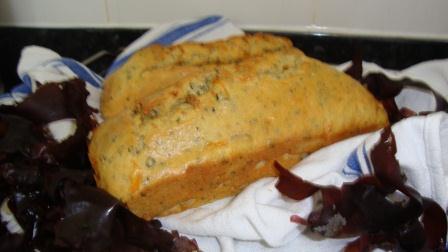
Having spent last week on the Irish coast we were lucky enough to be taken seaweed foraging with Bruce Macdonald who has been foraging coastlines for some 10 years. I had always been curious about cooking with seaweed and in particular what type you would use in bread.
The salty fresh Irish air was still warm but the sea was rough as the waves curled and lapped against the rocks. We were at a tiny fishing port, the tide was out and the rock pools were covered in seaweed and moss, which made for a slippery, craggy forage. Davy & I clambered the rocks and rock pools collecting Dillisk (deep aubergine colour) and other types of seaweed that we could cook with.
Top tips for seaweed foraging:
1)      Never turn your back on the tide!
2)      Follow sustainable foraging by ensuring you leave the root intact so it can grow back.
3)      Look out for signs of sewerage, industrial areas – you don’t want to be collecting seaweed in these parts as the seaweed is likely to be polluted.
4)      If you are unsure, check with the local water authority.
5)      Consider where you are foraging, some areas are National Park Territory so you would need permission.
6)      Some seaweed just tastes nasty or incredibly bland so identify the types and try them out – you may need to be a little more creative in the kitchen with some varieties.
7)      Consider all the other types of marine & plant life that relies on the seaweed for food.
8)      Seaweed can be incredibly nutritious as it has the ability to absorb all the nutrients surrounding it, however it can also absorb pollutants too!
9) Only collect seaweed that is vibrant & healthy ie. attached to the rocks. Rinse your seaweed well before cooking.
Recipe for Dillisk Bread - With thanks to Bruce Macdonald & the Irish costal team
This is primarily savoury bread but it has an element of sweetness that makes it acceptable also as tea bread. The use of dillisk (or ‘dulse’) gives an unusual and definite taste of the sea.
Ingredients:
25g dried Dillisk, soaked for 5 minutes
110g melted butter
1 large carrot grated
4 eggs
50g caster sugar
250g plain flour
Pinch of salt
1.5 tsp of baking powder
Method:
1)      Pat Dillisk dry & chop finely
2)      Prepare greased baking tins (I used two small but this recipe will yield approx 600g loaf)
3)      Combine butter, eggs, sugar, Dillisk, carrot & salt
4)      Fold in sieved flour & baking powder
5)      Fill the tin with the mixture & bake for 40-50 mins on 140
6)      Cool before turning out & slicing